
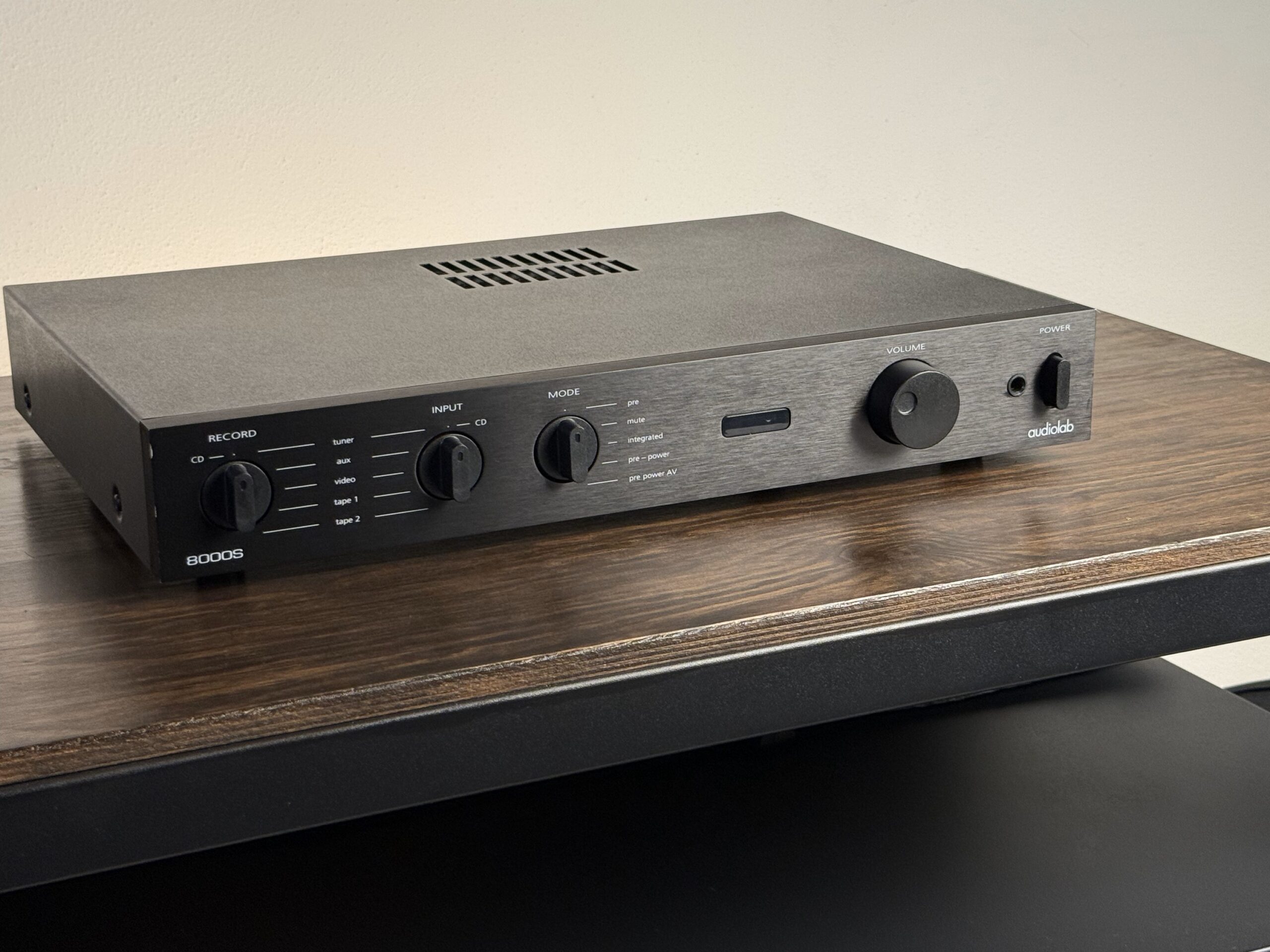
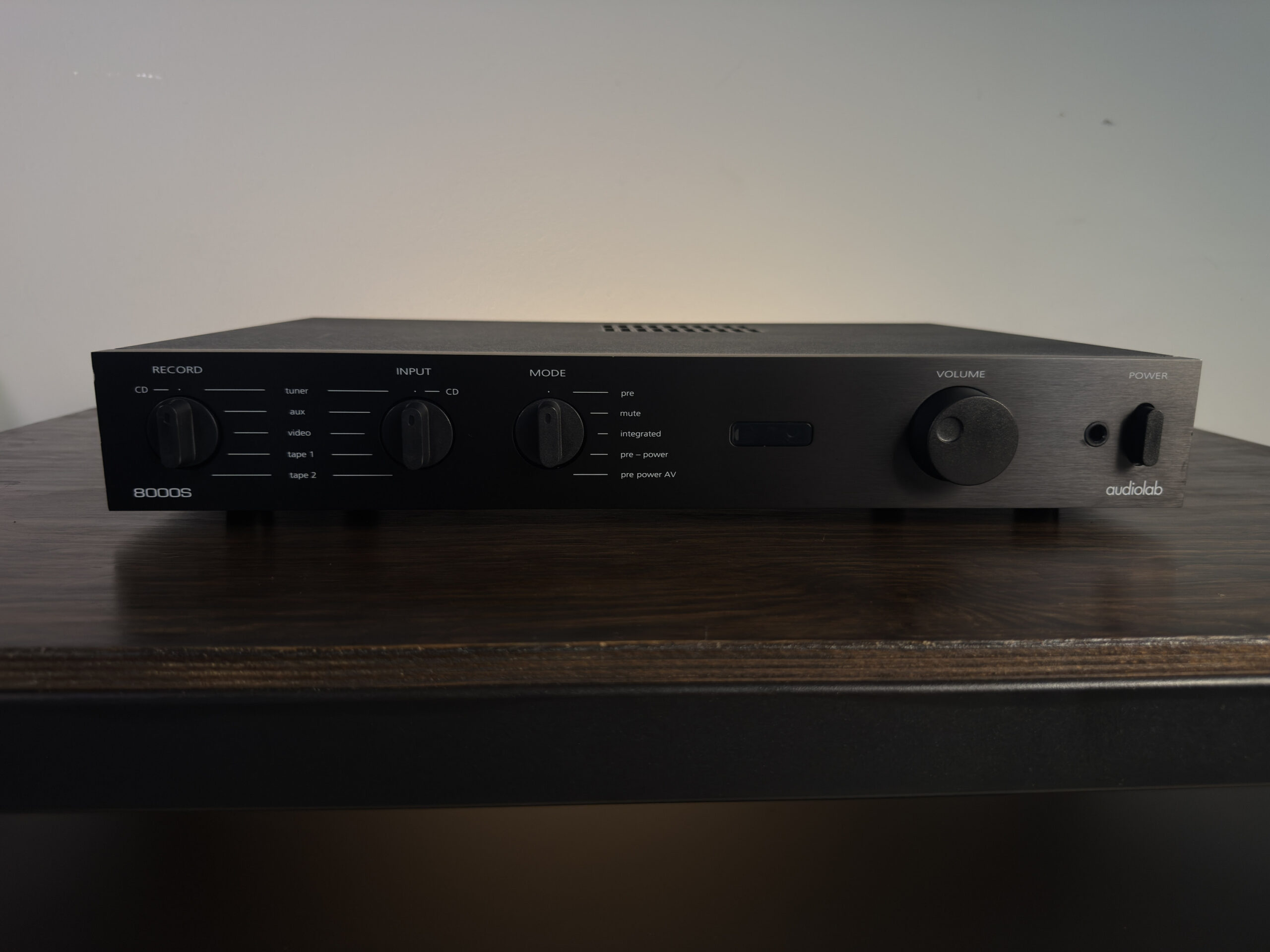
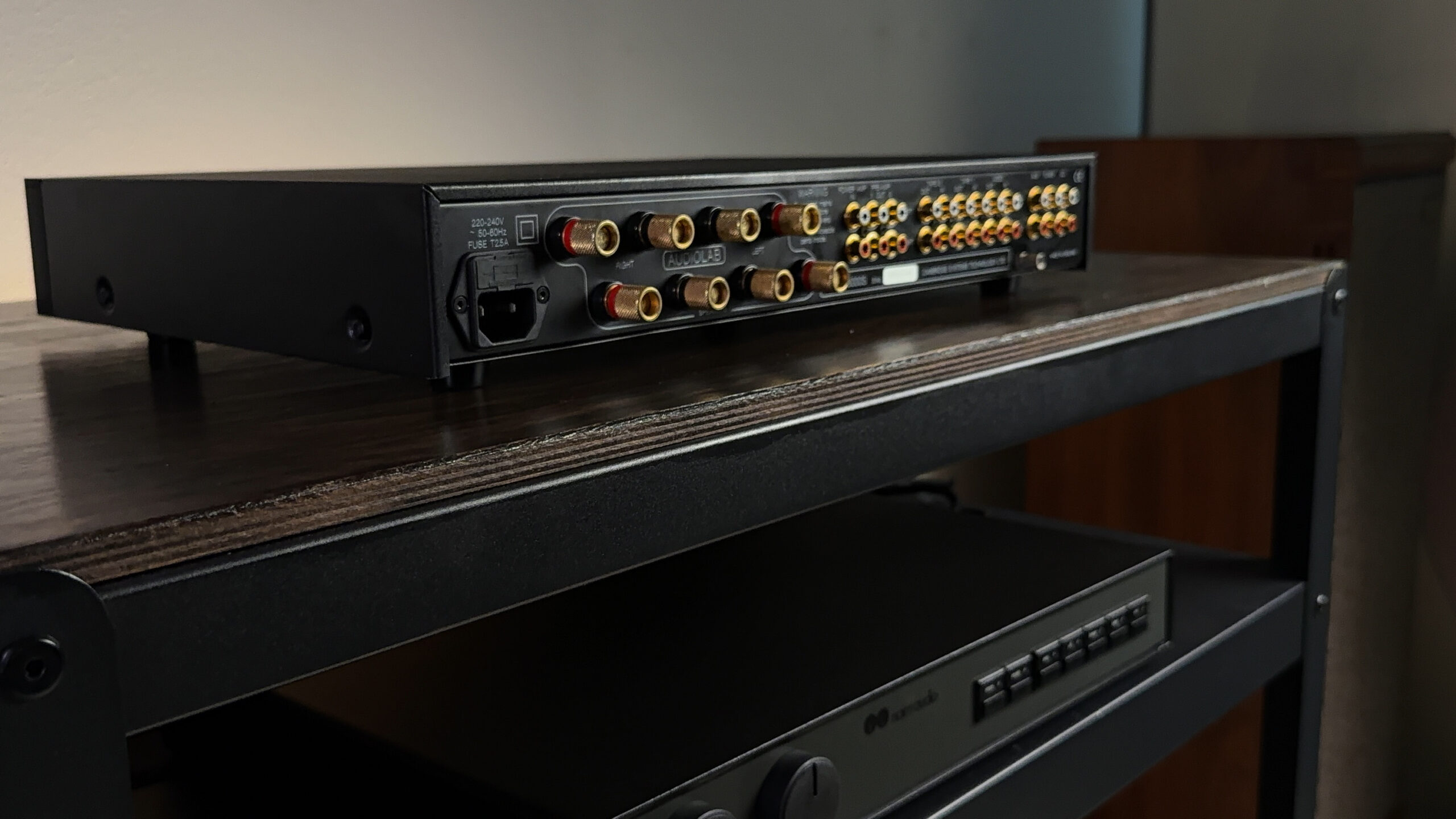
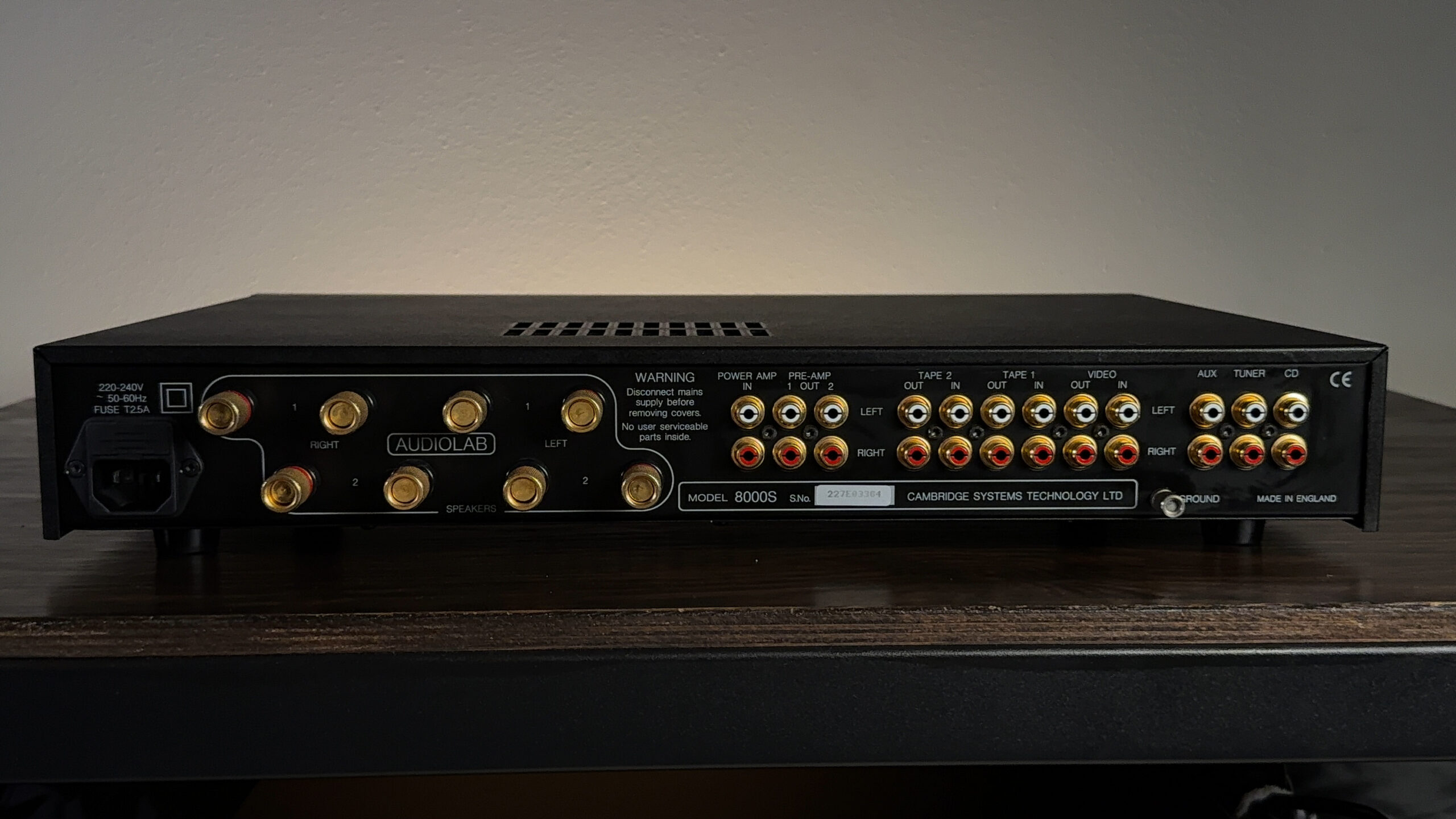
A classic British integrated amplifier with the clean, precise and lively presentation Audiolab is known for. Excellent build quality, minimalist design and solid engineering make the 8000S a fine example of the brand’s classic era. This particular unit is exceptionally well preserved, in outstanding 9.5/10 cosmetic condition, fully serviced and bench-tested.
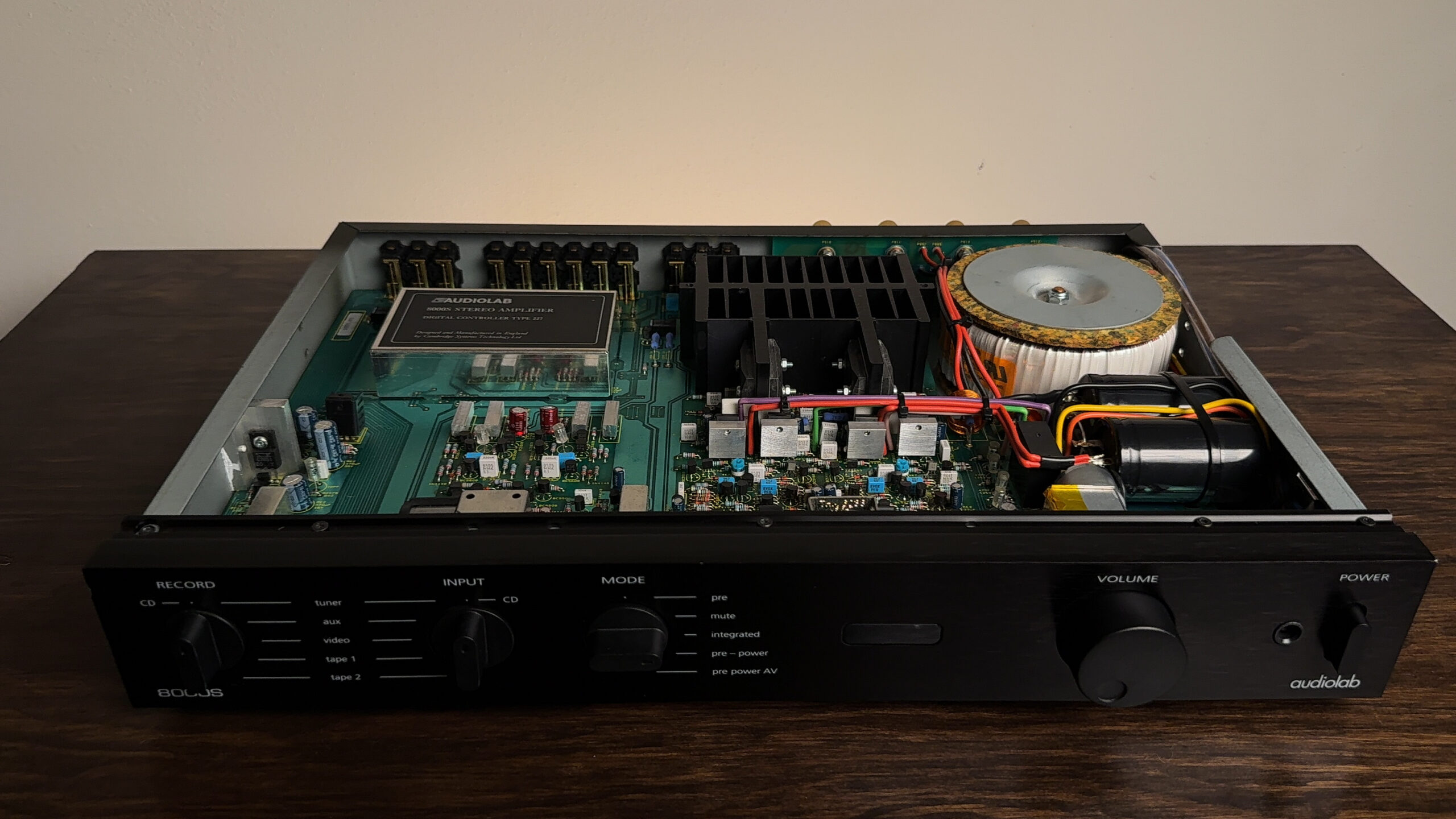
Audiolab 8000S
600,00 €
Included
• Printed owner’s / service manual (when available)
• After repair bench test report (S/N, THD, THD+N)
• New packing materials & professional packaging
• 180-day HiFi Cantina workshop warranty
• Shipping included
• Printed owner’s / service manual (when available)
• After repair bench test report (S/N, THD, THD+N)
• New packing materials & professional packaging
• 180-day HiFi Cantina workshop warranty
• Shipping included
Story & Notes
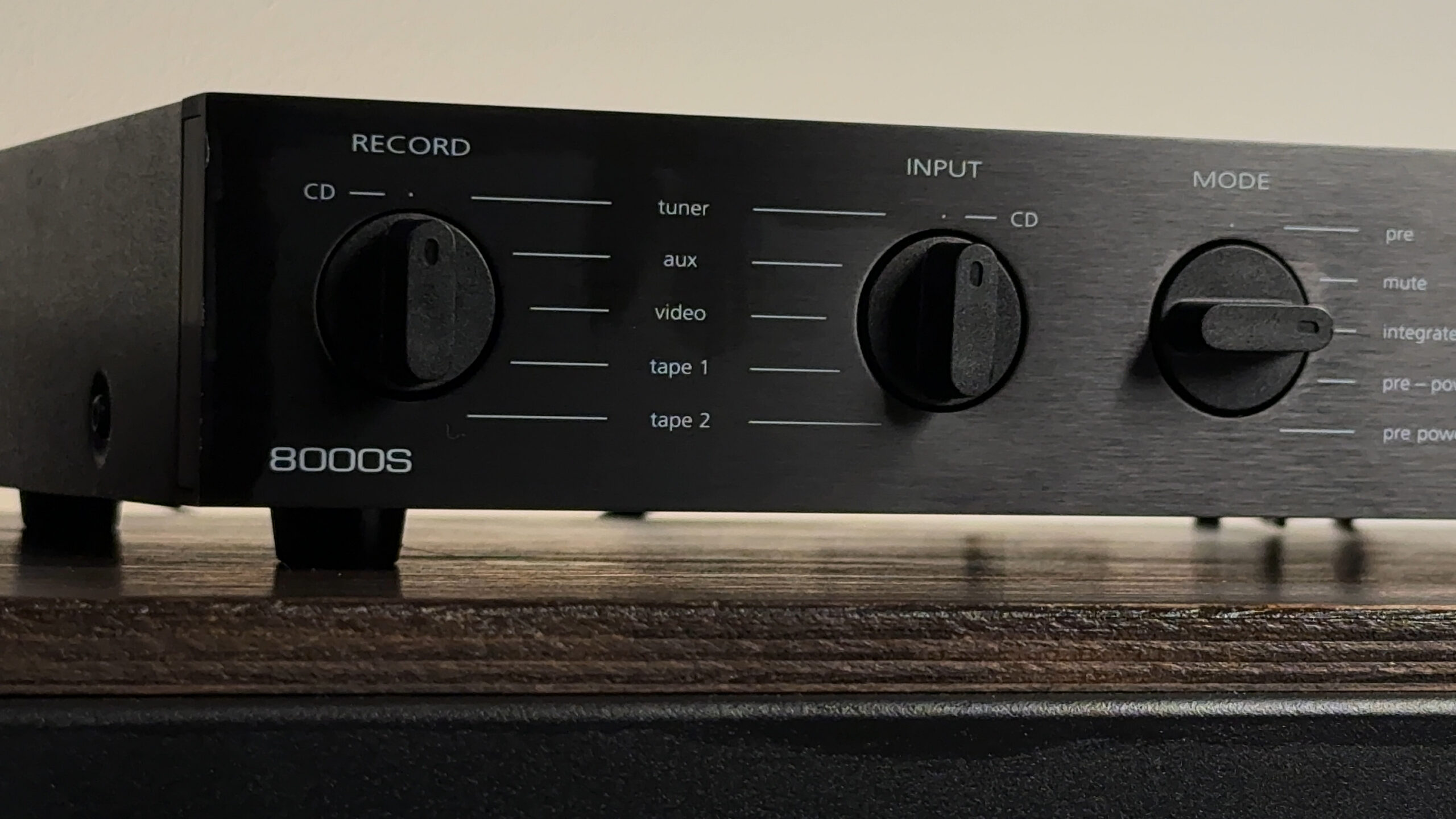
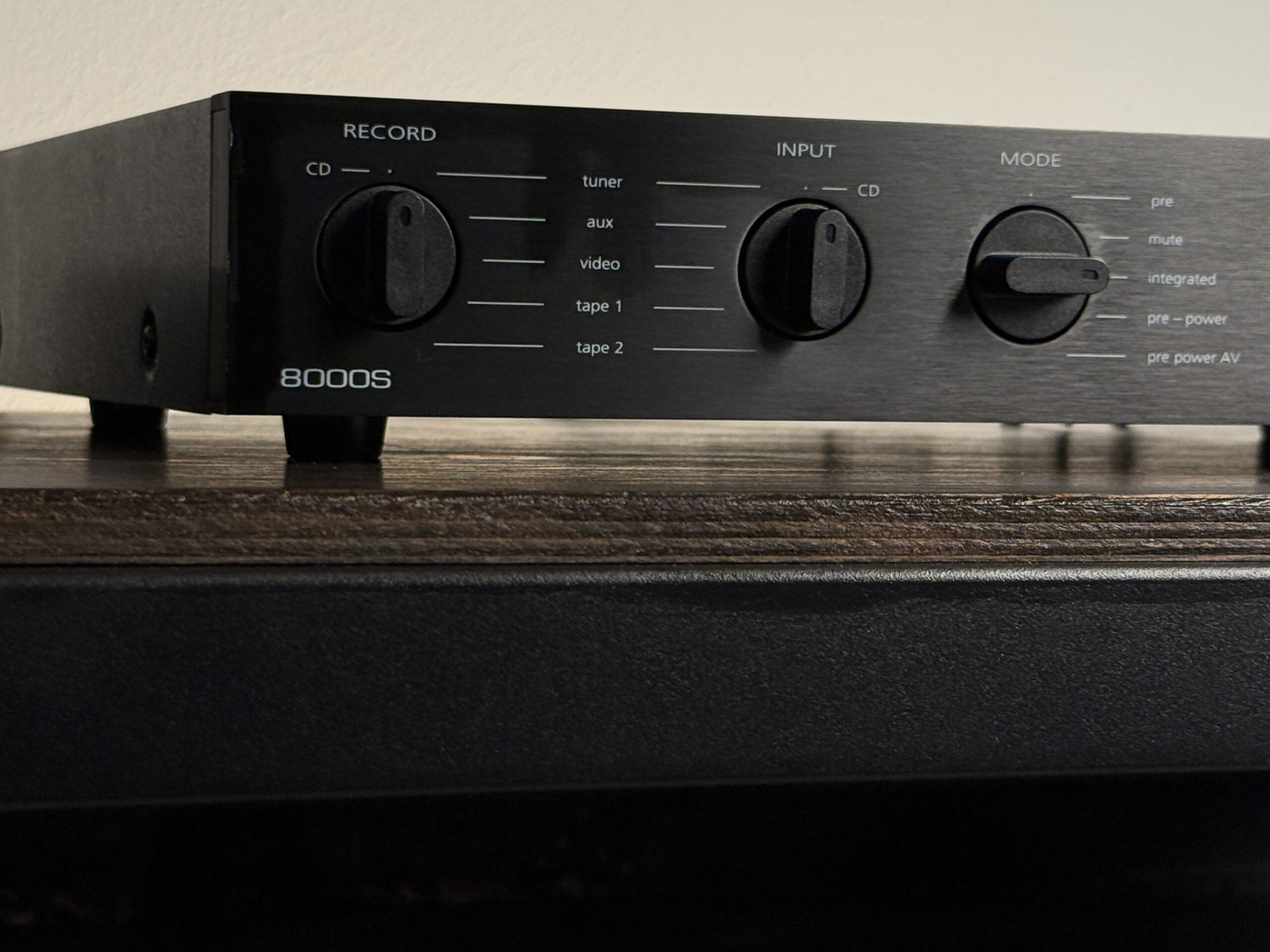
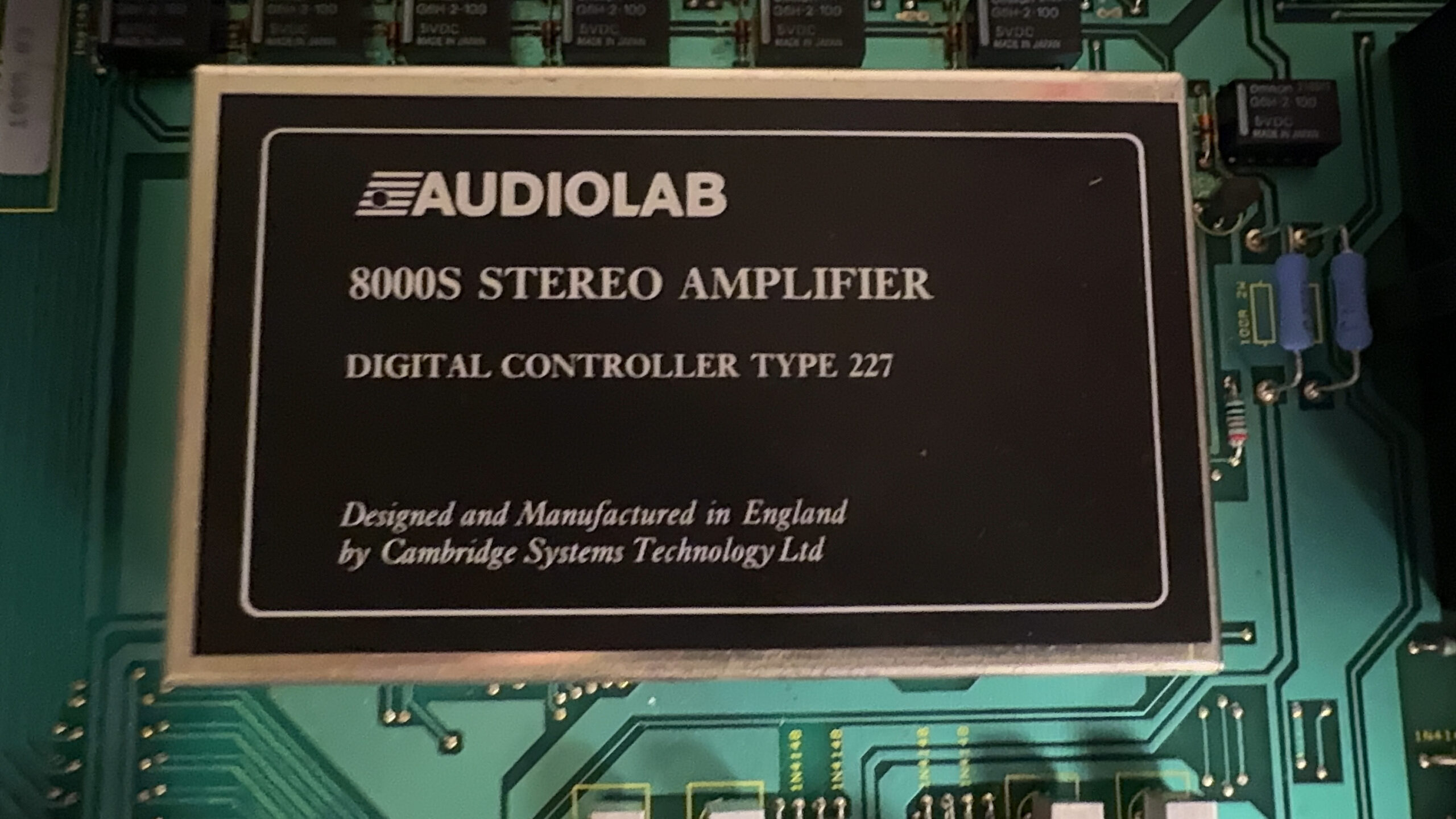
The Audiolab 8000S was introduced in the mid-1990s as a successor to the classic 8000A. Rated at 60 W per channel into 8 Ω, it follows Audiolab’s minimalist design philosophy, with no tone controls and a flexible separation of its preamplifier and power-amplifier sections. Its distinctive five-position mode selector provides Pre, Mute, Integrated, Pre-Power and Pre-Power AV modes. As stated in the original manual, in Pre-Power mode “A second power amplifier can be connected for bi-amplifying”, making the 8000S unusually flexible for an integrated amplifier of its period.
Work Performed
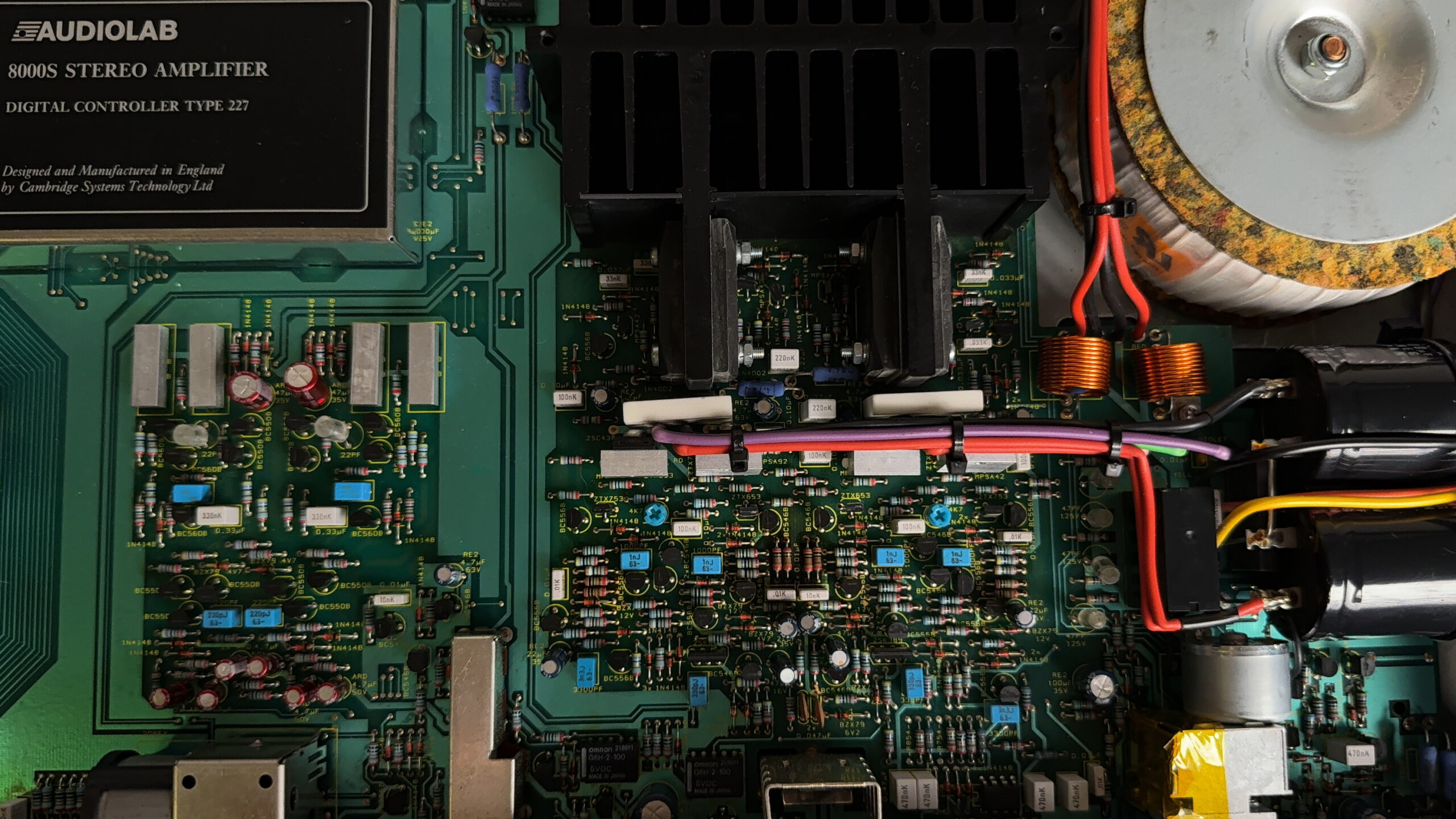
The amplifier was fully inspected and tested. The defective original volume control was replaced with a new motorised ALPS Velvet Sound potentiometer. All electrolytic capacitors were tested and found to remain in good condition, so replacement was unnecessary. The sealed signal relays were checked and confirmed to operate correctly. Output-stage bias was checked and adjusted to specification.
Bench Test Summary
The amplifier was fully inspected and tested. The defective original volume control was replaced with a new motorised ALPS Velvet Sound potentiometer. All electrolytic capacitors were tested and found to remain in good condition, so replacement was unnecessary. The sealed signal relays were checked and confirmed to operate correctly. Output-stage bias was checked and adjusted to specification.


